
Is Luxury Skin Care Worth the Cost?
Last Updated: October 26, 2026
Quick Summary
Whether luxury skin care worth the cost depends on your skin type, concerns, and how you measure results. Some premium products deliver measurable benefits through higher active concentrations or better formulation stability, while others rely on branding and packaging. The real question is where to spend strategically and where affordable options work equally well.
Retinol, vitamin C serums, and peptides justify premium pricing due to formulation complexity, while hyaluronic acid and moisturizers work similarly across price points.
Compare products on three criteria: active ingredient and disclosed concentration, packaging designed to preserve it, and realistic timeline for results, not price alone.
Patch test luxury products for 3 to 5 days before full commitment, since sensitive skin may react to expensive products just as easily as budget alternatives.
Table of Contents
Is Luxury Skin Care Worth the Cost? What the Evidence Shows
Whether luxury skin care worth the cost depends on your skin type, concerns, and how you measure results. Some premium products deliver measurable benefits; others rely on branding and packaging. The real question isn't whether to spend more, it's where to spend strategically and where affordable options work just as well.
The gap between luxury and drugstore skincare has narrowed. Both use similar actives like retinol, niacinamide, and hyaluronic acid; what differs is concentration, formulation quality, and research investment. A $200 serum isn't automatically better than a $30 one, but it may contain higher concentrations of proven actives or a more sophisticated delivery system.
Luxury skincare is worth the cost in specific situations and a waste of money in others. Below, we'll show you how to evaluate products based on ingredients, your needs, and realistic timelines for results.
Luxury Skin Care vs Affordable Skin Care: Where Results Actually Differ
The biggest differences between luxury and drugstore skincare are ingredient concentration, formulation stability, and evidence behind claims. A budget retinol might contain 0.25% retinol while a luxury option contains 0.5% or higher, a meaningful difference. But concentration alone doesn't guarantee results, the delivery system, packaging, and stability determine how much active reaches your skin in usable form.
Formulation matters. Luxury brands typically invest more in stabilizing actives and improving absorption, so a pricey vitamin C serum may stay potent longer, while drugstore versions sometimes oxidize before you finish the bottle.
Evidence quality separates marketing from meaningful claims. Luxury brands often conduct clinical trials and publish results; affordable brands sometimes skip this step, though many are backed by solid research they simply don't market aggressively. When comparing products, look for the same active at a comparable concentration, a formulation designed to preserve it, and a manufacturer willing to share patch-test or clinical data.
Realistic timelines matter more than price tag. Most OTC retinoids need 8 to 12 weeks of consistent use before visible improvement in fine lines or texture, and prescription tretinoin may take 12 to 24 weeks. Niacinamide and hyaluronic acid can show benefits within 2 to 4 weeks; vitamin C may take 4 to 8 weeks for brightening.
Individual skin needs matter more than price tag. Someone with sensitive skin might find a fragrance-free, hypoallergenic affordable cleanser works better than an expensive one with irritating botanical extracts, and oily, acne-prone skin may see results from a $15 salicylic acid cleanser that rivals an $80 alternative.
Key Takeaway Compare luxury and affordable products on three evidence-based criteria: the active ingredient and its disclosed concentration, the packaging and formulation designed to preserve it, and the realistic timeline for results. Price is a weak proxy for any of these.
Skin Care Ingredients Worth the Money and Where You Can Save
Certain actives justify premium pricing because they're expensive to source, stabilize, or formulate effectively. Retinol and retinoids (including prescription tretinoin) deliver visible anti-aging results but are challenging to stabilize, so paying more often means better formulation and less irritation.
The Economist
Hyaluronic acid is one area where you can save. This humectant is inexpensive to produce and works similarly across price points, so a $10 serum hydrates as effectively as a $60 version. The difference is usually supporting ingredients and packaging, not the humectant itself.
Vitamin C serums deserve careful scrutiny. High-quality versions (L-ascorbic acid at 15-20%) cost more because they're unstable and require special packaging, while budget products often use less effective derivatives that don't penetrate as well. Here, spending more typically means better results.
Sunscreen is where affordability and luxury converge. An $8 broad-spectrum SPF 30 protects as effectively as a $50 luxury version, provided both use similar UV filters. The main difference is texture and feel, expensive sunscreens often feel lighter and blend more seamlessly, but protection is equivalent.
Moisturizers often fall into the "you can save" category. Ceramides, glycerin, and squalane, the core moisturizing ingredients, are affordable across all price points. Luxury moisturizers add prestige packaging, fragrance, and botanical extracts that don't necessarily improve hydration. For basic moisture barrier repair, affordable options work well.
Watch out: expensive doesn't always mean concentrated. Some luxury brands charge premium prices for minimal actives, relying on texture, scent, and marketing. Read ingredient lists carefully, they're listed by concentration, so actives should appear early.
Best Luxury Skin Care Products and How to Evaluate Them
Evaluating luxury skincare means looking beyond price and packaging to what's in the formula. A repeatable framework helps you compare a luxury product against an affordable alternative with the same purpose, so you can decide where the premium is justified.
Step 1: Identify the product's job. Write down the single primary function, such as cleansing, moisturizing, treating fine lines, brightening, or sun protection. Products that try to do everything often do nothing well, and comparing them across price points becomes meaningless.
Step 2: List the active ingredients and their positions. Ingredients are listed by concentration, so effective actives should appear in the first five ingredients, not buried near the end. For a treatment serum, look for the active near the top. For a cleanser, the surfactant system matters more than trace botanicals.
Step 3: Check the evidence behind the claim. Legitimate luxury brands publish or reference studies showing their products work. Look for the specific active, the concentration tested, and whether the study measured visible skin changes rather than only consumer satisfaction.
Step 4: Compare cost per use, not shelf price. A $100 serum lasting four months costs about $0.83 per day; a $20 serum lasting one month costs about $0.67 per day. The luxury option may be more economical if it's more concentrated and lasts longer, but only if concentration and stability actually deliver the active to your skin.
Step 5: Match the product to your skin concern. Anti-aging requires different ingredients than acne treatment or sensitivity management. A luxury anti-aging serum with retinol and peptides might be worth the investment if you have fine lines and uneven texture.
Step 6: Test before committing. Luxury products aren't returnable at most retailers, so start with a small amount to ensure your skin tolerates it. Sensitive skin may react to expensive products just as easily as budget ones.
Watch out for premium pricing without premium concentration. Some luxury brands charge high prices for minimal actives, relying on texture, scent, and marketing. Compare the active form and percentage against a well-reviewed affordable alternative.
Ingredient | Luxury Advantage | Budget Alternative Works? | Best For |
Retinol/Retinoids | Higher concentration, better stability | Yes, for beginners | Anti-aging, texture |
Hyaluronic Acid | Supporting ingredients | Yes, equally effective | Hydration |
Vitamin C | Stabilization, L-ascorbic form | Limited, often weaker derivatives | Brightening, antioxidant |
Peptides | Formulation quality | Yes, if well-formulated | Anti-aging, firmness |
Sunscreen | Texture and feel | Yes, same protection | Daily UV protection |
Moisturizer | Prestige, scent | Yes, ceramides work across price | Barrier repair |
Pro Tip Use the six-step framework on one product at a time. Comparing a luxury treatment serum against an affordable treatment serum with the same active is the only fair test of whether the premium is worth it for your skin.
Professional Facial Treatments vs At-Home Skin Care: When to Invest
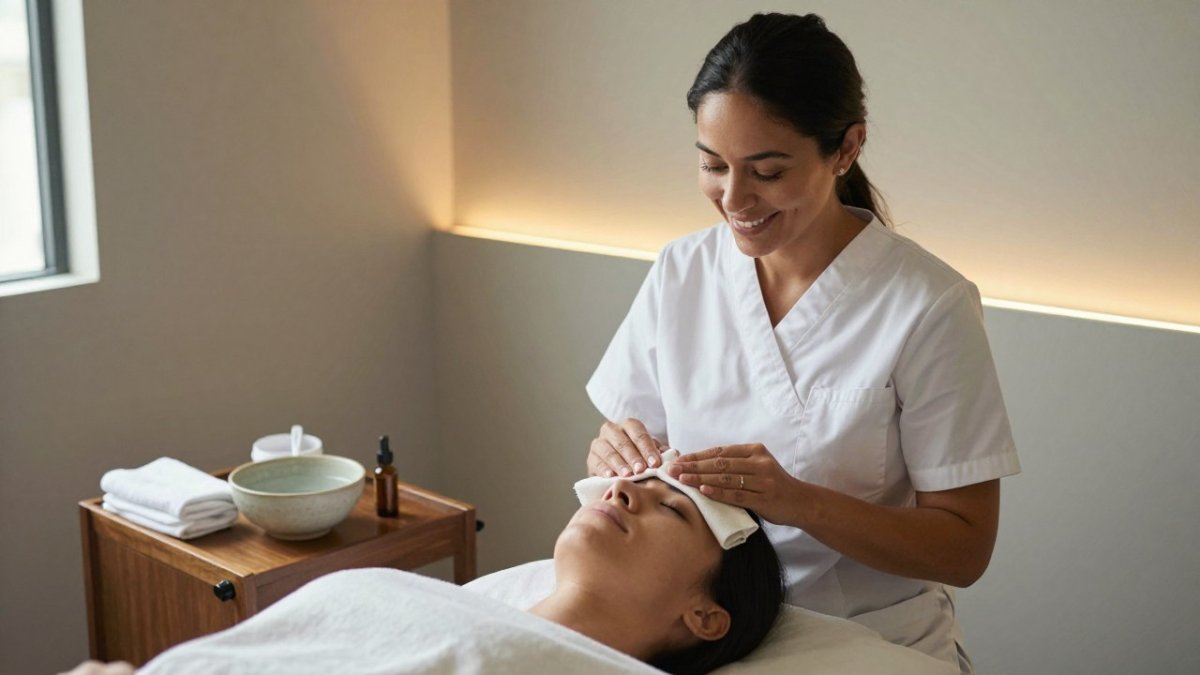
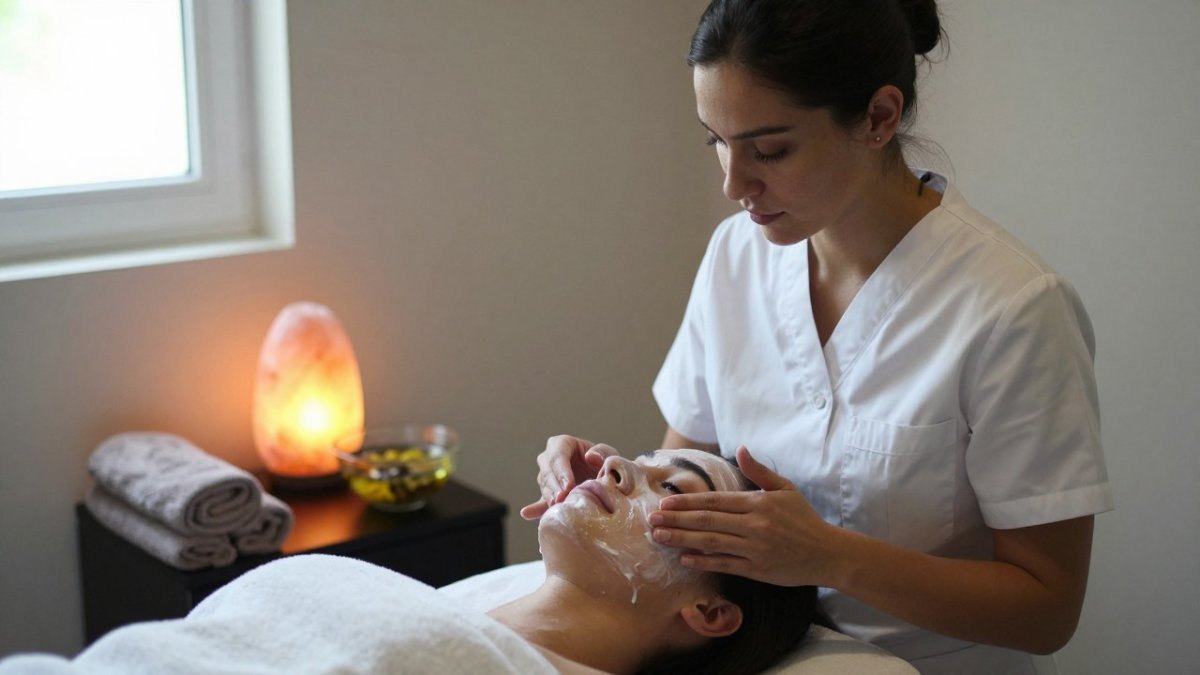
Professional facial treatments offer benefits at-home skincare cannot replicate. A licensed esthetician can customize treatments to your exact skin condition, apply products in the right sequence, and use professional-grade equipment, delivering faster, more visible results for concerns like deep congestion, severe dryness, or uneven texture.

At-home skincare builds the foundation. Daily cleansing, targeted serums, moisturizing, and sunscreen prevent problems and maintain professional results. Consistency matters more than cost, using affordable products consistently outperforms sporadic use of expensive ones.
Invest in professional treatments when you have stubborn concerns that at-home care isn't addressing: persistent acne, severe dehydration, significant hyperpigmentation, or advanced aging signs. Professional treatments like chemical peels or microneedling (performed by licensed professionals) accelerate results. At Rekindle Massage & Skin Spa, our specialty facials and LuxyRF full body skin care treatments are available.
For maintenance and prevention, at-home skincare is sufficient. Between visits, consistent at-home routines keep skin healthy.
Skip professional treatments if your main goal is basic hydration or you're just starting a skincare routine. Build a solid foundation with affordable, effective products first. Once you've identified your skin's specific needs and established a routine, professional treatments amplify results.
Cost Per Use and Building a Realistic Skin Care Budget
Understanding cost per use changes how you evaluate skincare spending. A $100 serum that lasts four months costs about $0.83 per day. A $20 serum lasting one month costs about $0.67 per day. The luxury option may actually be more economical if it's more concentrated and lasts longer.
Calculate how long products last. A pea-sized amount of serum twice daily means a 1-ounce bottle lasts roughly 60-90 days; moisturizers used generously might last 30-45 days. Sunscreen applied correctly (about a quarter teaspoon for the face) depletes faster than most realize.
A realistic skincare budget includes essentials: cleanser, moisturizer, and sunscreen, which cost $30-$100 monthly with affordable options. Check current specials to optimize your skin care budget. Targeted treatments (serums, retinol, exfoliants) add $20-$60 monthly, and professional treatments add $50-$150 per session, typically needed 4-6 times yearly.
Prioritize spending on products you use daily. Sunscreen and moisturizer deserve investment because consistency matters and you use them every day. Serums and treatments can start affordable while you test what works for your skin. Masks and exfoliants are occasional, save here.
Watch out: Buying multiple expensive products at once often leads to waste. Your skin may not tolerate everything, or you'll discover some products are unnecessary. Start with one new product at a time and assess results over 4-6 weeks before adding another.
Start Your Personalized Skin Care Routine at Rekindle
Building an effective skincare routine doesn't require spending heavily on every product. Learn about Rekindle's personalized skin care services to start your routine with professional guidance. Identify your skin type and primary concerns, then select products, luxury or affordable, with proven actives that address those issues.
Contact Rekindle Massage & Skin Spa to discuss your skin concerns and explore professional facial treatments. We also offer LuxyRF full body skin care treatments.
The real answer to whether luxury skincare is worth the cost: it depends on your specific needs, consistency, and expectations. Expensive products don't guarantee results if they're wrong for your skin type. Affordable products deliver excellent outcomes when you choose actives backed by evidence and use them correctly. The best skincare routine combines smart spending, consistent application, and professional treatments when your skin needs them.
Frequently Asked Questions
Are luxury skin care products more effective than affordable ones?
Effectiveness depends on active ingredients and formulation quality, not price alone. Luxury products and affordable options can differ in their ingredients and formulations. For sensitive skin or specific concerns like anti-aging, professional guidance can help you consider your needs.
Which skin care ingredients are worth paying more for?
Skin care ingredients and formulations vary. If you have sensitive skin, consider your individual needs when choosing products. Sunscreen products can differ in texture and feel.
Should I spend more on skin care or professional treatments?
The right approach depends on your needs and goals. Rekindle Massage & Skin Spa offers specialty facials and LuxyRF full body skin care treatments. Consider discussing skin concerns with a qualified professional.
How do I know if a luxury skin care product is actually worth the splurge?
Consider the product's ingredients and your needs. You can also consider reviews from people with concerns similar to yours. If you are weighing a purchase, check the seller's current pricing and product information.
Start with the basics, add targeted treatments based on your actual skin needs, and invest in professional services when at-home care reaches its limits. That approach delivers results at any budget level.

Comments