
How to Improve Loose Skin Elasticity: What Works
Quick Summary
Loose skin elasticity improves most reliably with daily sunscreen, consistent skincare, and strength training that builds muscle beneath the skin. Creams cannot remove excess skin, and natural methods rarely fix significant looseness.
Apply broad-spectrum SPF 30+ daily, since UV rays break down elastin and speed up sagging.
Use topical retinoids two to three nights per week, starting slowly to limit irritation.
Strength train two to three times per week to add muscle that fills out loose skin.
Stay at a stable weight after reaching your goal, since repeated gains and losses stretch skin further.
Consult a board-certified plastic surgeon or dermatologist if looseness is significant.
Want firmer-looking skin?
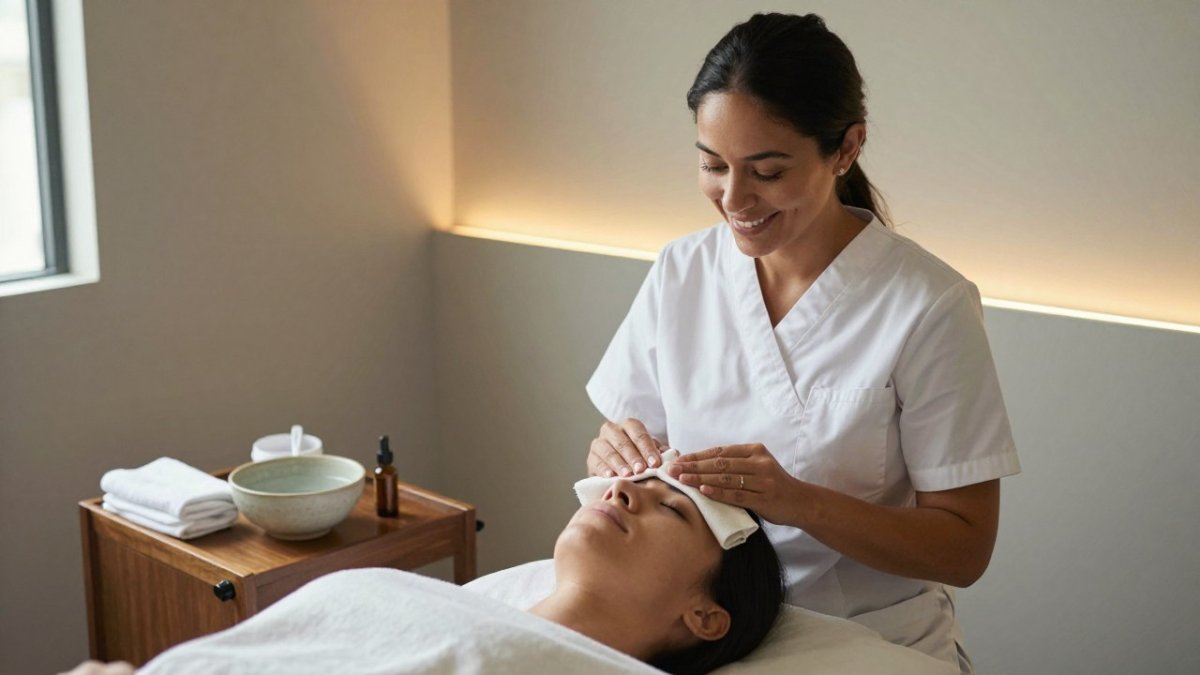
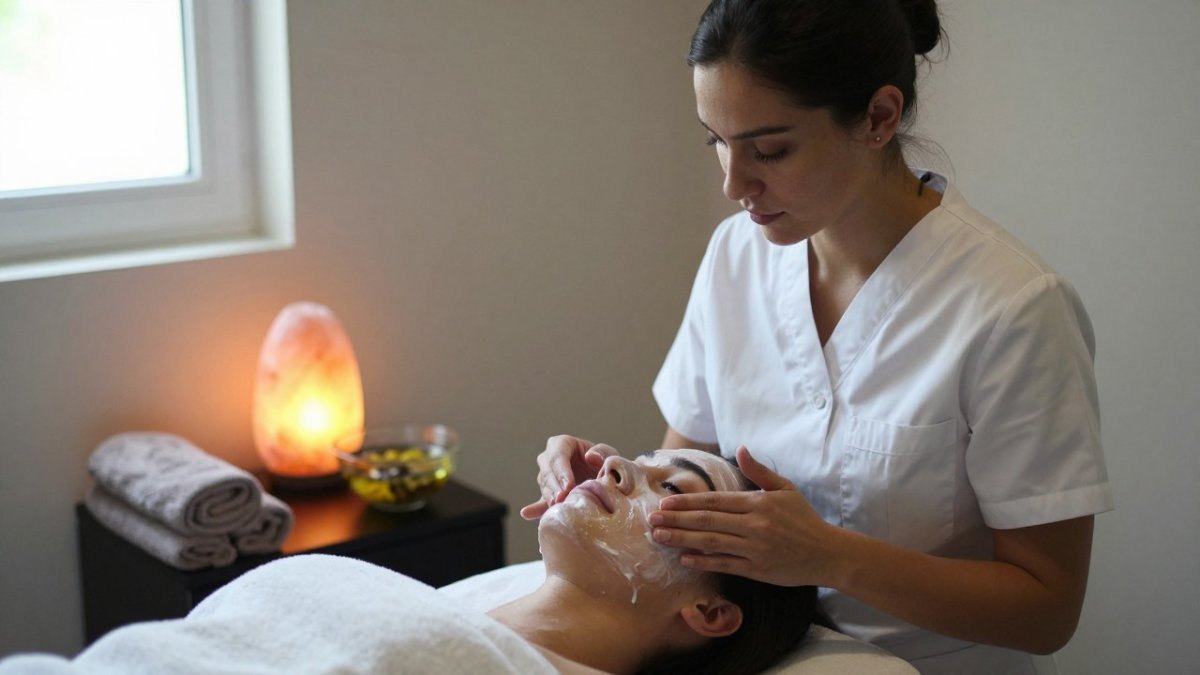
Rekindle Massage & Skin Spa offers professional skin treatments and relaxing massage services.
Table of Contents
How to Improve Loose Skin Elasticity: What Works
Last Updated: November 15, 2026
Why Skin Loses Elasticity and Why Loose Skin Forms
Loose skin elasticity fades as the body ages and as the skin stretches over time. Collagen and elastin, the proteins that keep skin firm and springy, slowly break down. Once they decline, skin has less ability to snap back into place. (Source: U.S. Food and Drug Administration)
A common question is why skin stays loose after a big change in body size. The short answer is that skin stretches to fit the body, and it does not always return to its old shape.
Several factors affect how much skin loses its firmness:
Age: Collagen production drops with each passing decade.
Sun exposure: UV rays break down elastin and speed up sagging.
Smoking: Tobacco reduces blood flow to the skin.
Dehydration: Dry skin looks thinner and less supple.
Rapid weight changes: Skin stretched for a long time may not rebound fully.
Most people cannot change their age or genetics. They can, however, protect the skin they have and support its firmness over time.
Elasticity Versus Excess Skin: Knowing What You Are Trying to Fix
Improving elasticity and removing excess skin are two different goals. Elasticity refers to how well skin bounces back. Excess skin is extra skin that no longer fits the body's new shape.
Many people try creams hoping to remove loose skin entirely. That rarely works. Topical products can improve texture and hydration, but they cannot cut away extra skin.
A simple way to sort this out:
Mild looseness: Skin feels soft and slightly crepey. Improving elasticity may make a visible difference.
Moderate looseness: Skin hangs in certain areas. Lifestyle changes help, but results have limits.
Significant excess: Large folds of skin remain. Surgery is usually the only way to remove it.
Knowing which category applies to you helps you pick realistic goals. It also helps you avoid spending money on products that promise more than they can deliver.
How to Improve Loose Skin Elasticity at Home
Home care can support skin health and make mild looseness look better, but it cannot rebuild large amounts of lost collagen or remove redundant skin. The table below separates what has meaningful evidence from what is mostly marketing.
Approach | What it can realistically do | Strength of evidence | Practical notes |
Daily broad-spectrum sunscreen (SPF 30+) | Slows further UV-driven breakdown of collagen and elastin | Strong | The single most protective habit for long-term firmness; apply about 1 oz to exposed skin and reapply every two hours outdoors |
Topical retinoids (tretinoin, adapalene, retinol) | Can increase collagen production and improve fine texture over months | Moderate to strong for texture and fine lines; weaker for significant sagging | Start two to three nights per week to limit irritation; prescription tretinoin is stronger than over-the-counter retinol |
Moisturizers with ceramides or hyaluronic acid | Improve hydration and plumpness; temporary smoothing effect | Moderate for appearance, weak for structural firmness | Best used twice daily, especially after bathing, to support the skin barrier |
Vitamin C serums | Antioxidant support and some collagen synthesis | Moderate | Use in the morning under sunscreen; concentrations of 10-20% are common |
Oral collagen supplements | Modest improvements in skin hydration and elasticity in some trials | Weak to moderate; studies are small and short | Not a substitute for protein intake; discuss with a clinician if you have dietary restrictions |
Drinking extra water beyond thirst | Supports general health; does not "hydrate" skin beyond normal | Weak for elasticity specifically | Skin plumpness responds more to topical moisturizers than to extra fluid intake |
"Firming" creams and serums without proven actives | Temporary tightening from film-formers; no structural change | Weak | Be skeptical of claims to remove sagging skin; check for retinoids, peptides, or antioxidants with published data |
A practical home routine that most dermatologists would recognize as reasonable:
Morning: Gentle cleanser, vitamin C serum (optional), moisturizer, broad-spectrum SPF 30+.
Evening: Cleanser, retinoid two to three nights per week (build up slowly), moisturizer.
Weekly: Check for irritation; back off retinoids if redness or peeling persists.
Home care is best viewed as protecting and slightly improving the skin you have, not as a substitute for procedures when looseness is moderate to severe.
How to Improve Loose Skin Elasticity Through Exercise
Exercise does not directly tighten skin, because skin elasticity is determined by collagen and elastin in the dermis, not by muscle. What exercise can do is build muscle beneath the skin, which fills out the area and changes how loose skin looks and drapes. This is an important distinction: a firmer look after strength training usually reflects increased muscle volume and improved body composition, not renewed skin elasticity.

A realistic exercise approach for someone with loose skin:
Strength training two to three times per week, targeting major muscle groups with progressive overload (gradually increasing weight or reps). This is the component most likely to change the appearance of loose skin by adding underlying muscle.
Adequate protein intake, roughly 1.2-1.6 grams per kilogram of body weight per day for active adults, to support muscle retention and repair. Discuss individual needs with a clinician or registered dietitian.
Cardiovascular activity, such as brisk walking, cycling, or swimming, for about 150 minutes per week for general health and weight management.
Flexibility and mobility work, such as stretching or yoga, to support range of motion and comfort during strength training.
How to track whether exercise is helping: measure progress by strength gains, waist and limb circumference, and how clothing fits rather than by skin "snap-back." Skin firmness itself is difficult to measure at home; changes in muscle tone and body composition are more reliable indicators that exercise is working.
Watch out: Rapid weight loss without strength training can increase muscle loss, which may make loose skin look more pronounced; prioritize resistance training and protein during any weight-loss phase.
Exercise is not a substitute for skin removal surgery when significant excess skin is present, but it is one of the few home-based strategies that can meaningfully change the appearance of loose skin by improving what lies beneath it.
How to Tighten Skin After Weight Loss Naturally
After significant weight loss, skin often needs time to adjust. Many people see gradual improvement over six to 18 months, though results vary widely.
Natural approaches that help:
Keep weight stable once you reach your goal, since repeated gains and losses stretch skin further.
Build muscle to add firmness under the skin.
Stay hydrated and eat enough protein to support tissue repair.
Protect skin from the sun to slow elastin breakdown.
Be realistic. Natural methods can improve skin quality, but they rarely remove large amounts of excess skin. If the looseness is significant, a consultation with a board-certified plastic surgeon or dermatologist can help you understand your options.
How to Avoid Loose Skin When Losing Weight on GLP-1 Medication
GLP-1 medications can lead to rapid weight loss. Faster loss may give the skin less time to adapt, which some people notice as sagging.
To reduce the risk:
Work with your prescribing provider to set a steady pace of weight loss.
Prioritize strength training so you keep muscle while losing fat.
Eat enough protein every day.
Stay hydrated and limit alcohol, which can dehydrate skin.
Start a consistent skincare routine early, before loose skin becomes a concern.
Skin changes vary from person to person, and no single approach works for everyone. Talk with your healthcare provider about any concerns before making major changes to your routine.
Booking a Skin Assessment at Rekindle Massage & Skin Spa
If you want a professional look at your skin, a skin assessment is a good first step. A skin professional can review your skin concerns and explain which options may fit your goals. Pricing depends on the services you choose, so check current specials or contact us for a quote before you book.
To schedule an appointment, contact Rekindle Massage & Skin Spa by text at 918-730-8649. You can also book a skin assessment with us at our location inside Special Effects Beauty Salon.
Frequently Asked Questions
Can loose skin regain elasticity?
Loose skin can partially improve in firmness and hydration, especially in younger adults or after a gradual weight loss, but it rarely returns fully to its former tightness. Elastin and collagen production slow with age, and stretched skin may not fully recoil. Consistent skincare, sun protection, adequate protein and hydration, and building muscle beneath the skin can make a visible difference. Results vary, and a licensed dermatologist or provider can assess what is realistic for your skin.
How long does it take for loose skin to tighten after weight loss?
Skin changes after weight loss are gradual and typically unfold over many months to a year or more, depending on age, how much weight was lost, how quickly, and genetics. Some people see little natural tightening, while others see noticeable improvement as the body adjusts. Maintaining a stable weight, staying hydrated, eating enough protein, and strength training give skin the best conditions to adapt. Tracking photos every few weeks can help you judge progress honestly.
Does exercise help tighten loose skin after weight loss?
Exercise cannot shrink excess skin, but resistance training builds muscle beneath loose skin, which can improve contour and fullness in areas like the arms, abdomen, and thighs. Cardiovascular activity supports circulation and overall body composition. Combining strength work with a steady, moderate weight loss pace is the most practical approach. For significant excess skin, exercise alone usually is not enough, and a provider can discuss options.
Can skin-tightening treatments help with loose skin?
Energy-based treatments such as radiofrequency and ultrasound may modestly improve skin firmness for some people, but results are typically mild to moderate and vary by skin type and degree of looseness. Multiple sessions are usually needed, and benefits may fade over time. Risks can include temporary redness, swelling, or sensitivity. A consultation with a qualified provider can help you understand candidacy, expected outcomes, and alternatives such as surgical removal for substantial excess skin. Rekindle Massage & Skin Spa offers LuxyRF full body skin care treatments; contact the spa directly for current details and a personalized consultation.

Comments